Safety comes first — always
Nobody learns, heals, or changes while their nervous system is braced for impact. Before strategy, I build safety: predictable rhythms, honest language, and adults who can stay regulated in hard moments.
About
I am a mental health professional, educator, and speaker who listens before I teach. My work sits at the intersection of child development, neuro-emotional regulation, and the relational systems that surround a child. My work is to make room for the stories people carry — so they can be held, spoken, and met with dignity.
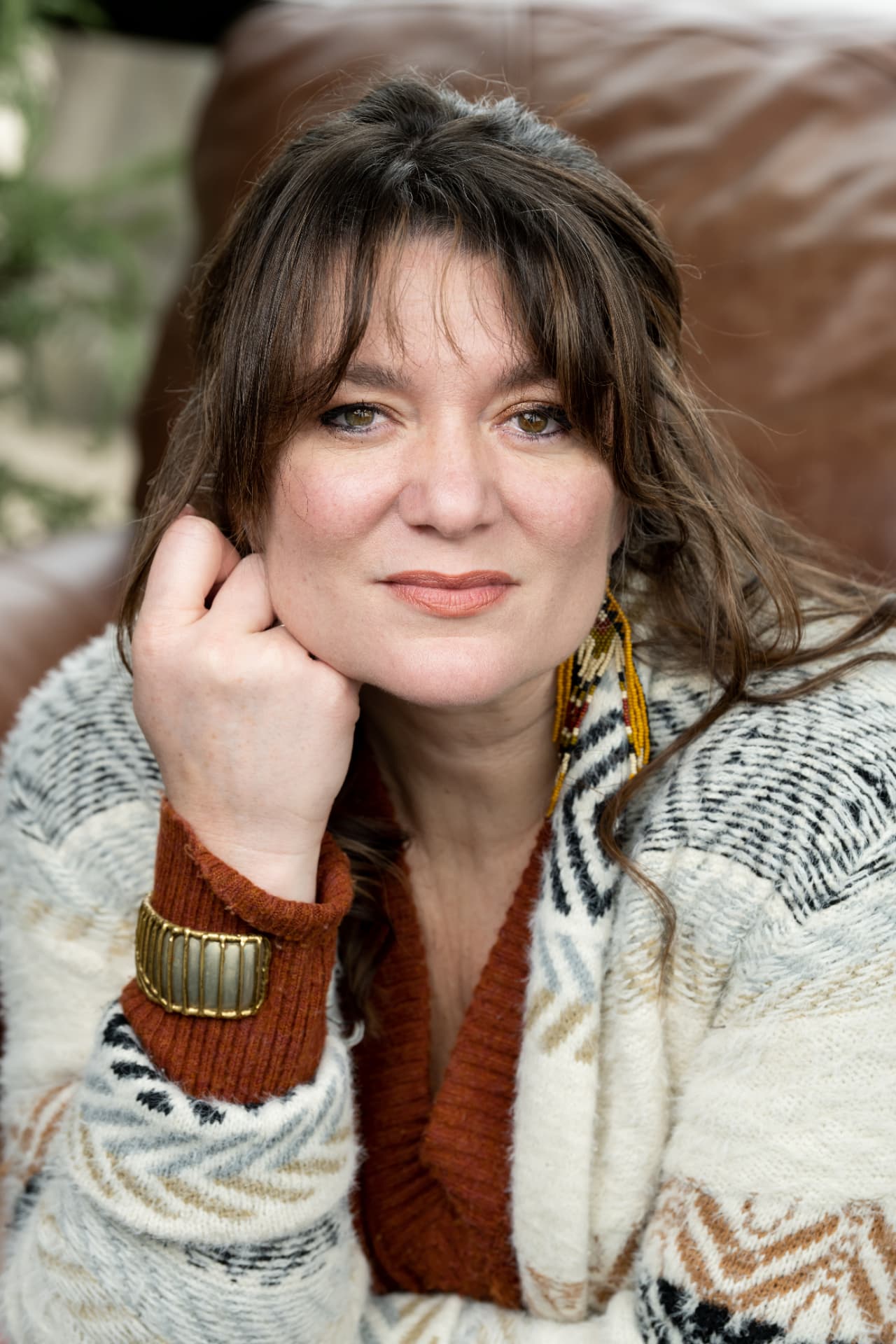
Danielle's path into this work began with listening. In classrooms, family meetings, late-night community meetings in Memphis, TN, and sitting with at-risk adolescents as a mentor, she kept meeting children and adults whose stories didn't fit the systems built to serve them.
So I went looking for frameworks that could help me do this well: neurorelational and neurosequential work (Bruce Perry), attachment theory, somatic and regulation-based practices — all held through a culturally sensitive lens. What makes the teaching land isn't the research itself; it's translating it into language a kindergarten teacher, a superintendent, and a grandmother can all use.
Much of my consulting has focused on spaces of disparity — rural districts, ESDs, early childhood programs, Indigenous and migrant communities, and nonprofit teams carrying vicarious trauma with little support of their own. Sustainability, not heroics, is the goal. I'm currently completing credentialing for a private LMHC practice while continuing to speak, train, and facilitate wellness groups.
Ikigai is a Japanese idea for the place where what you love, what you're good at, what the world needs, and what you can be paid for overlap. What came back is the clearest description of my work I've found. Jeremy Snowden served as a supportive guide through this process of discovery. Visit his site to learn more.
“I want to create a stage for those who are unheard. Not because I have the answers — but because listening, and letting a voice be heard, is the next step toward healing.”
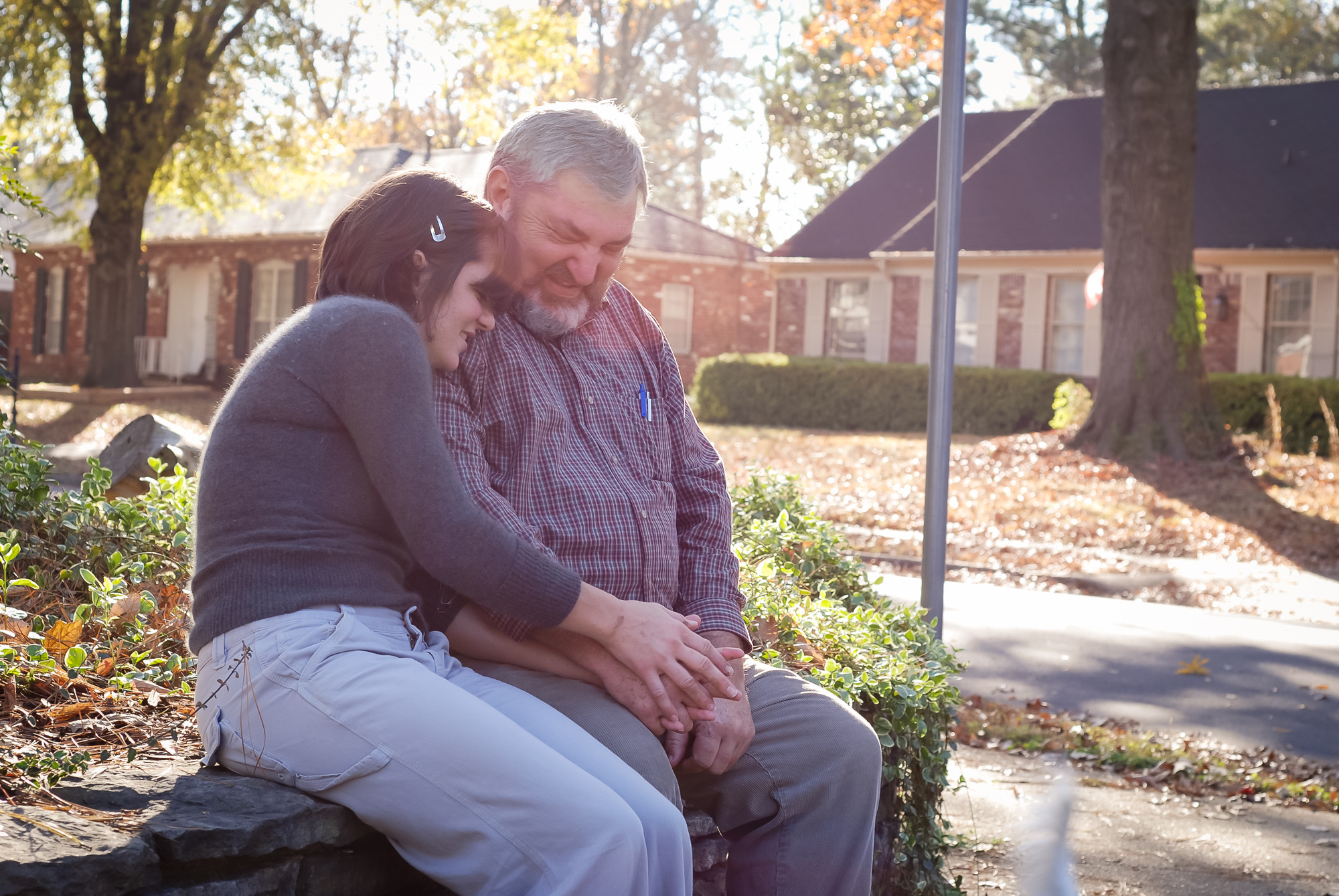
My father — who always inspired hope in me. Much of what I know about holding a story gently, I learned sitting beside him.
Nobody learns, heals, or changes while their nervous system is braced for impact. Before strategy, I build safety: predictable rhythms, honest language, and adults who can stay regulated in hard moments.
What looks like defiance is often a body doing its best to survive. Curiosity replaces correction when I understand development and the stress response.
Neurorelational research and lived experience agree: connection is the intervention. Programs matter, but people are what children remember — and what staff need to keep going.
Loss is part of many school communities, especially among displaced students and frontline staff. I hold space for grief and ceremonial wellness with cultural humility and no imposed dogma.
Doctoral research
My doctoral work focused on trauma, attachment, and healing — examining how relational rupture and repair shape development across systems and generations, with attention to displaced and marginalized youth.
Schools & MTSS
I spent years inside school systems, ESDs, and districts building tiered emotional supports, coaching teams through behavior that felt unsolvable, and helping leaders design structures that hold both students and staff.
Early childhood & community
I consulted with ECEAP, ESIT, Head Start, family advocates, and nonprofit teams serving rural, Indigenous, migrant, and culturally diverse communities where care is too often fragmented.
Now
Today I speak and train across the Pacific Northwest and Spanish-speaking communities while completing licensure for an LMHC private practice and ceremonial wellness groups, opening September 2026.
Whether you're planning a PD day or rebuilding your supports from the ground up, let's talk about what would actually help.
Let's connect